
Our Partners
This service runs on relationships we maintain directly: coworking managers who know us by name, carrier store staff who understand what newcomers need, and community organisers who save us a seat at the door. None of this is paid promotion. It's simply the network we've built to make orientation faster than doing it alone.

Coworking spaces we visit regularly
We don't work with every coworking building in either city, only the ones where we've personally confirmed the trial-day process works smoothly for a newcomer. That list changes as spaces open, close or change management, so what follows describes the kind of spaces typically included rather than a fixed catalogue.
Central, high-occupancy hubs
Larger buildings near the city centre, usually with a front desk that handles walk-ins well. These fill up fastest for trial days, so we tend to book two or three days ahead.
Café-style shared workspaces
Smaller, quieter setups that blend a café with a few dedicated desks. Good for people who want a trial day without committing to a whole coworking membership straight away.
Focus-oriented, phone-booth style spaces
Buildings with enclosed booths for calls, which matter a lot if your work involves client calls across time zones and you don't want to be shushed by your neighbours.
Community-first spaces
Spaces that run their own evening events and socials. These overlap with the expat introductions we arrange separately, so a trial day here often doubles as a first meetup.
Mobile carrier contacts
Romania's mobile market is served by a handful of national carriers offering prepaid and postpaid data plans. We don't sell SIM cards or plans ourselves, and we don't receive anything for pointing you toward one carrier over another. What we maintain is knowledge of which stores in each city process newcomer registrations quickly, what identification each requires, and roughly how long activation takes at different times of day.
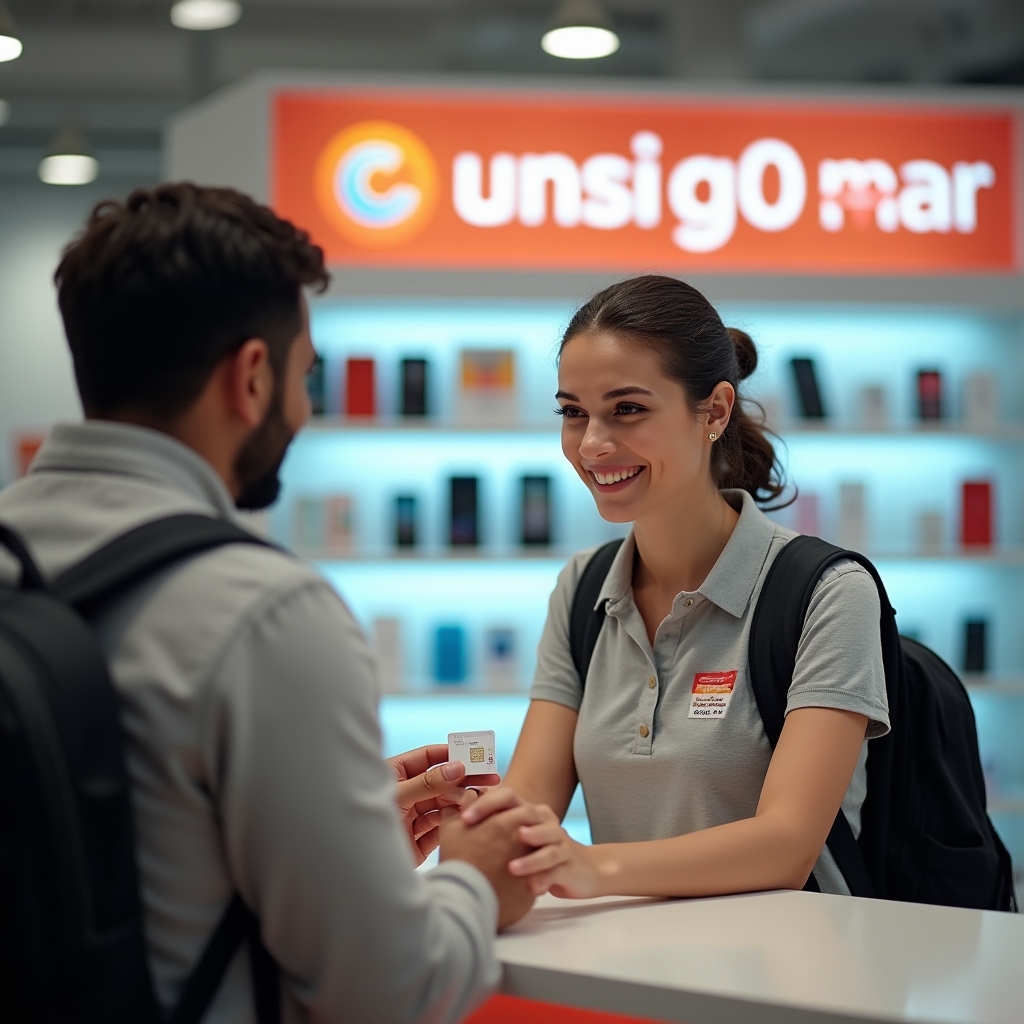
Most prepaid plans activate within a couple of hours. Postpaid plans that need a local address on file can take a day longer, since some carriers cross-check the address against your registration documents.
Community organisers and expat groups
Both cities host informal and semi-formal groups: language exchanges, coworking socials, board game evenings, running clubs. These are organised independently of us, often through messaging apps and recurring venue bookings. Our role is limited to knowing who currently runs what, so an introduction doesn't mean showing up to a group chat as a stranger.

Groups change organisers and meeting spots more often than coworking spaces do. If a contact we mention has moved on, we usually know who took over within a few weeks.
Neighbourhood partners along the guided walk
The guided walk relies on small, practical relationships too: the bakery whose owner doesn't mind pointing out which loaf keeps best, the pharmacy that has an English-speaking staff member most mornings, the laundromat with working machines on a Tuesday. None of these are formal partnerships; they're simply the businesses we've walked past enough times to know are reliable for a first-week visit.